The Real Problem Isn’t Your Product — It’s Your Communication
You might have years of experience, a skilled team, and a proven track record , but if a potential client lands on your website and can’t quickly understand what you do, how you do it, and why they should trust you, you’re already losing ground to competitors who communicate more clearly.
That’s where video comes in.
But not all video works the same way. Different types serve very different purposes, and knowing the difference is what separates manufacturing companies that look the part from those that actually win more contracts and attract better people.
Here are the five types of videos every manufacturing company should have in their toolkit.
1. Brand Video — Make a Strong First Impression
Your brand video is often the very first thing a potential client sees, whether that’s on your homepage, your LinkedIn profile, or shared during a sales conversation. It needs to do one thing well: quickly establish who you are and why you’re worth talking to.
A strong brand video should answer four key questions:
- Who are you?
- What do you do?
- Who do you work with?
- What makes you different?
This isn’t about being flashy or cinematic. It’s about being clear and credible. Done well, a brand video builds trust before a single conversation has taken place and that head start matters more than most companies realise.
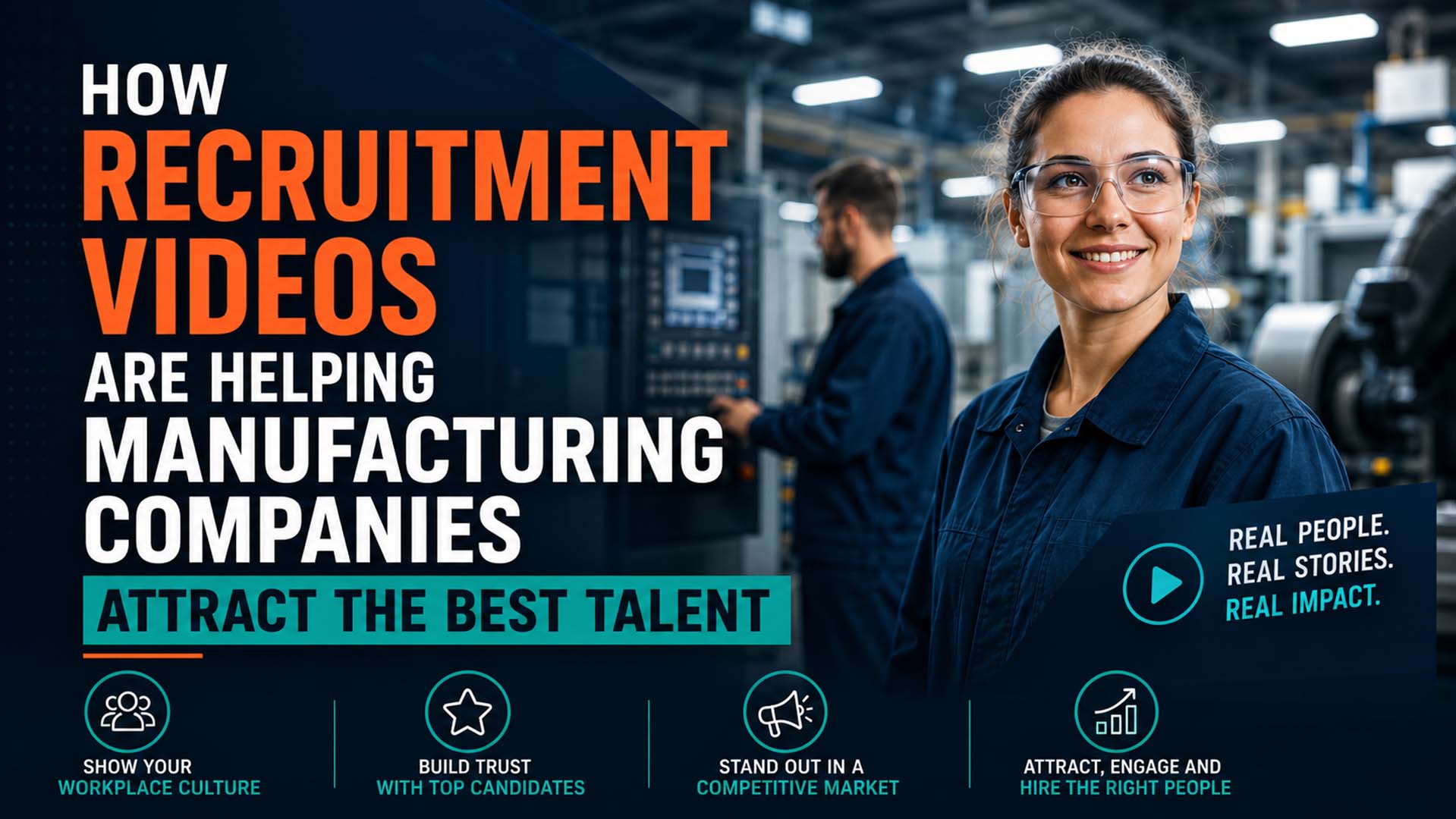
2. Recruitment Video — Attract the Right Candidates
Recruitment is one of the biggest ongoing challenges facing UK manufacturing. Skilled workers have options, and a job listing alone rarely cuts through anymore.
People considering a role want to see the reality of the job, the environment, the team, the culture, and what a typical day actually looks like. A well-made recruitment video gives them that, and it does two important things at once: it draws in the candidates who are genuinely a good fit, and it filters out those who aren’t — saving your team significant time in the hiring process.
If you’re struggling to attract quality applicants, a recruitment video is often one of the most cost-effective investments you can make.
3. Process and Capability Video — Turn Complexity Into Clarity
One of the most common frustrations we hear from manufacturing companies is this: “People don’t fully understand what we do.”
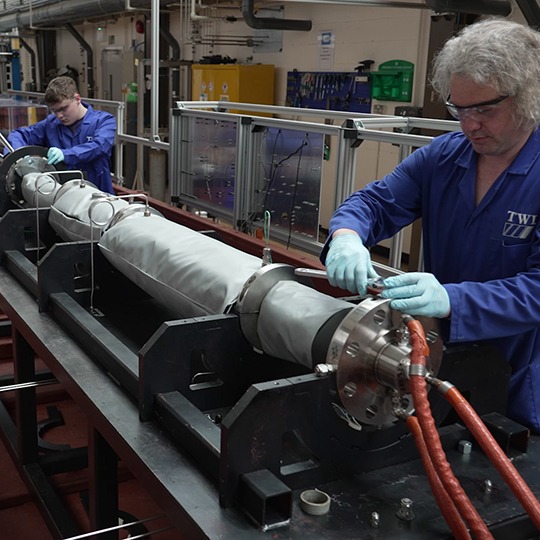
It’s hard to explain complex processes, specialist machinery, or technical capability through words alone, especially to non-technical decision-makers or procurement teams who may not have a deep understanding of your industry.
A process or capability video solves that instantly. Instead of lengthy explanations, you’re showing your workflow, your equipment, your attention to detail, and the scale of what you’re capable of. Clarity like that builds confidence and confidence wins contracts.
4. Customer Testimonial Video — Let Your Clients Do the Talking
No matter how well you describe your own services, hearing it from a real client carries far more weight. A testimonial video gives potential customers a chance to hear directly from people who’ve been in their position, someone who had a problem, chose your company, and got results.
A good testimonial covers:
- The challenge the client faced
- Why they chose to work with you
- What the experience was actually like
- The outcome you delivered
In industries where contracts are high value and the stakes are real, that kind of third-party reassurance can be the deciding factor.
5. Short-Form Video Content — Stay Visible Between Projects
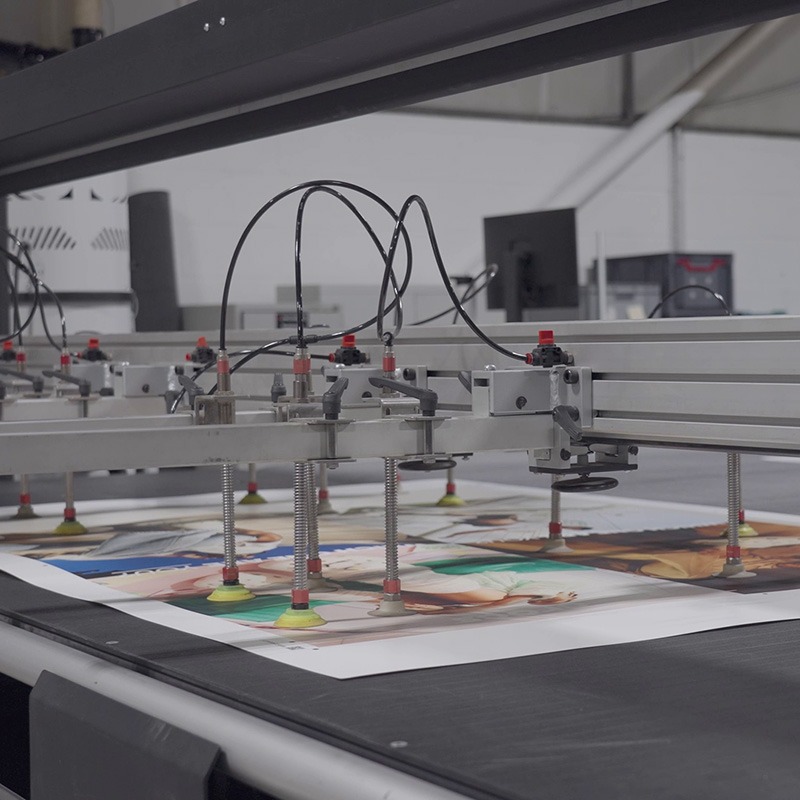
Not every video needs to be a full production. Short-form content — particularly on LinkedIn — plays a different but equally important role: keeping your business visible and front of mind on a consistent basis.
This could be behind-the-scenes clips from the shop floor, quick process shots, project updates, or team moments. None of it needs to be polished or scripted. The goal is simply to show up regularly, demonstrate ongoing activity, and build familiarity over time.
That familiarity matters more than people think. Businesses are far more likely to reach out to a company they feel they already know.
How These Five Videos Work Together
Most manufacturing companies either don’t use video at all, or they rely on a single video to do everything. The companies pulling ahead are the ones using a mix — because each type plays a distinct role:
| Video Type | Primary Purpose |
|---|---|
| Brand video | Builds trust and credibility |
| Recruitment video | Attracts the right people |
| Process/capability video | Creates clarity about what you do |
| Testimonial video | Proves your track record |
| Short-form content | Keeps you visible and familiar |
It’s worth highlighting one common mistake here: trying to make a brand video and a process video do the same job. They often look similar — both might feature your facility, your team, your machinery — but they serve very different functions.
Your brand video gets you considered. Your process video gets you chosen.
One is about who you are. The other is about what you’re capable of. Both matter, but ideally they shouldn’t be competing for the same screen time.
Video isn’t about making your business look impressive. It’s about making your business easy to understand and easy to trust and in manufacturing, that’s often the difference between being overlooked and being chosen.
If you’re not sure which type of video would make the biggest impact for your business right now, that’s exactly what we help with at IGL Films. Get in touch and we’ll help you figure out where to start.
You can find more information on our manufacturing projects HERE